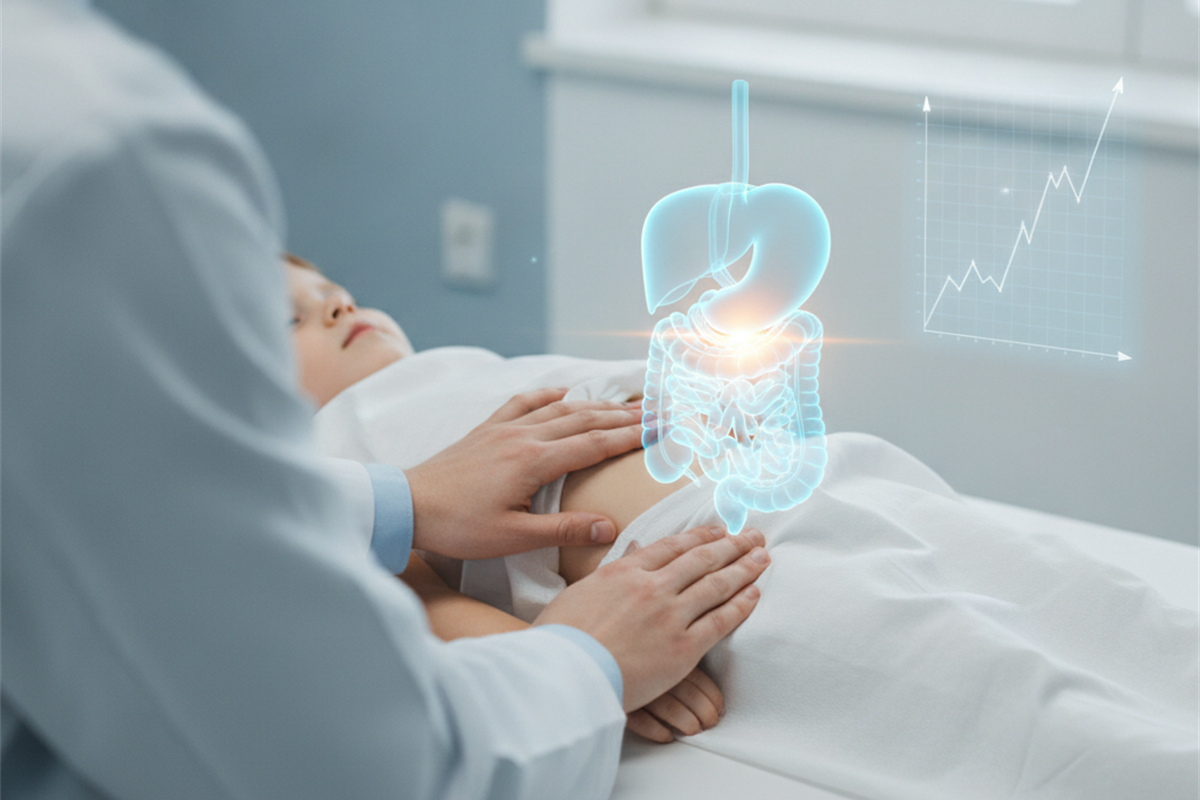

“I have gastritis” is probably the most common phrase heard in any gastroenterology clinic. And it’s often incorrect: people use it to describe any burning sensation or heaviness in the stomach, when actual gastritis has a precise definition and specific causes.
This guide explains what heartburn actually is, why it occurs, and when it’s no longer something that can be treated with antacids.
What Is Gastritis (and What It Isn’t)
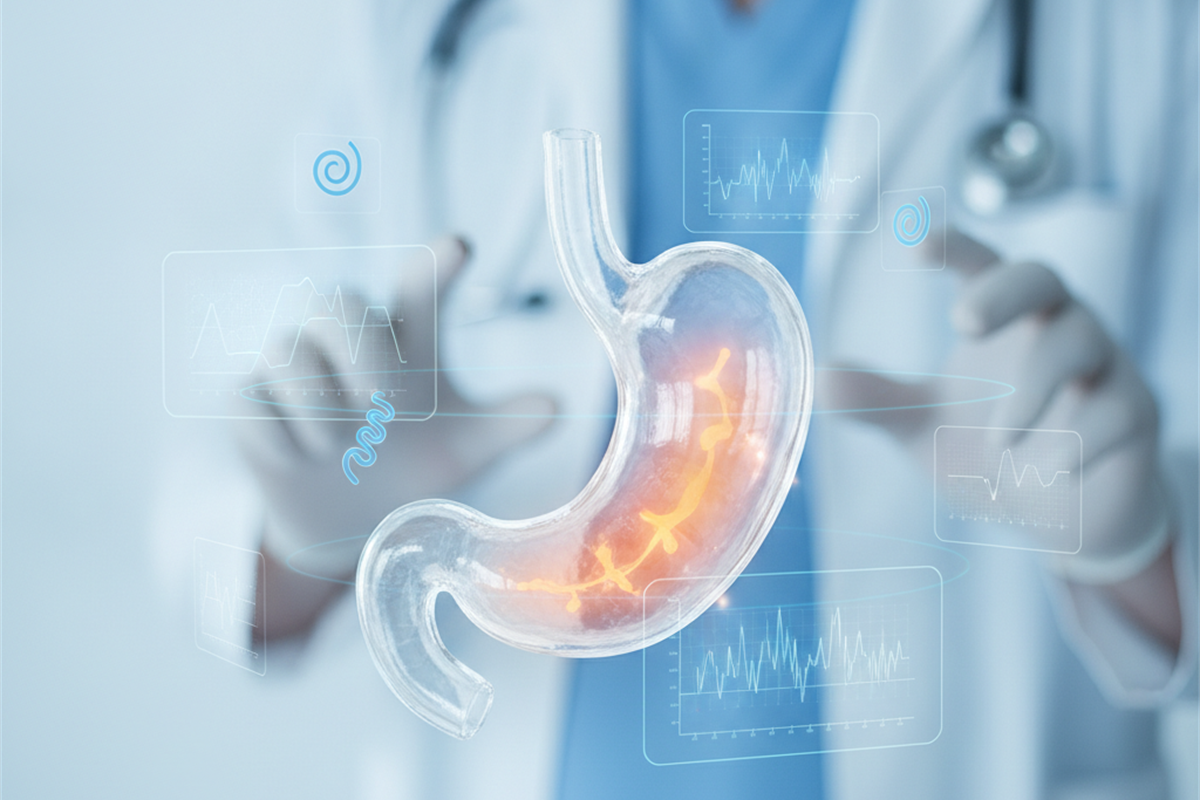
Gastritis is the inflammation of the mucous membrane lining the stomach. Strictly speaking, this diagnosis is confirmed by examining that mucous membrane during an endoscopy and, when necessary, by analyzing a small tissue sample.
Upper gastrointestinal discomfort without evidence of inflammation has another name: functional dyspepsia. The symptoms may be identical, but the management is different. That’s why calling everything “gastritis” ultimately leads to treatments that don’t address the cause.
Main Types
- Acute gastritis. It appears suddenly. It is usually caused by anti-inflammatory medications, alcohol, or an infection. It improves once the trigger is removed.
- Chronic gastritis. It develops over time. The most common cause worldwide is infection with Helicobacter pylori.
- Atrophic gastritis. The mucosa thins after years of inflammation. It requires monitoring because it is associated with an increased long-term risk.
- Erosive gastritis. With wounds that may bleed.
Most Common Causes
- Helicobacter pylori. A bacterium that colonizes the stomach and causes chronic inflammation for years. It is very common in Latin America and often causes no symptoms.
- Anti-inflammatory drugs (NSAIDs). Ibuprofen, diclofenac, naproxen, and aspirin, especially with frequent or prolonged use.
- Alcohol and tobacco. Both irritate and weaken the mucosal barrier.
- Severe physiological stress. Major surgeries, burns, or critical illness.
- Autoimmune causes. The immune system itself attacks the gastric cells, affecting the absorption of vitamin B12.
Regarding emotional stress: It does not cause gastritis on its own in the strict sense, but it does amplify the perception of symptoms and disrupt digestive motility. Just because it is not the cause does not mean it has no influence.
Symptoms
- Burning sensation or pain in the pit of the stomach
- Feeling full early on while eating
- Nausea
- Bloating and frequent belching
- Loss of appetite
It is important to note that chronic gastritis may not cause any symptoms. Some people with significant inflammation feel fine, while others with severe discomfort have healthy mucosa.
Warning Signs
If you notice any of the following, seek medical attention immediately:
- Vomiting blood or vomit that looks like coffee grounds
- Black, tarry stools
- Difficulty or pain when swallowing
- Unexplained weight loss
- Anemia
- Persistent vomiting
- Symptoms that first appear after age 50
How It Is Diagnosed
The primary tool is upper gastrointestinal endoscopy, which allows for direct visualization of the mucosa and the collection of biopsies. The breath test—a simple, noninvasive procedure—is also used to detect H. pylori.
Identifying the cause is important: if H. pylori is present, treatment eradicates it and the inflammation subsides. If the cause is anti-inflammatory drugs, the approach is completely different.
What You Can Do in the Meantime
- Avoid taking anti-inflammatory medications without a doctor’s prescription
- Cut back on alcohol and tobacco
- Eat smaller, more frequent meals
- Don’t lie down for two or three hours after eating
- Identify your personal triggers instead of following generic diets
And here’s something important: over-the-counter antacids provide relief, but they don’t treat the underlying cause. Taking them for months without a diagnosis only masks the problem.
Assessment at CEGAS
If you’ve been experiencing heartburn for some time and have never had your stomach examined, schedule an appointment. Our board-certified gastroenterologists will determine whether there is actual inflammation, what’s causing it, and what treatment is appropriate.
Related Reading
- Helicobacter pylori: What It Is, Symptoms, and How It’s Detected
- Reflux: When Heartburn Is No Longer Normal
- Where can I get an endoscopy in Panama?
This content is for informational purposes only and is not a substitute for a medical consultation or treatment recommendations from a healthcare professional.