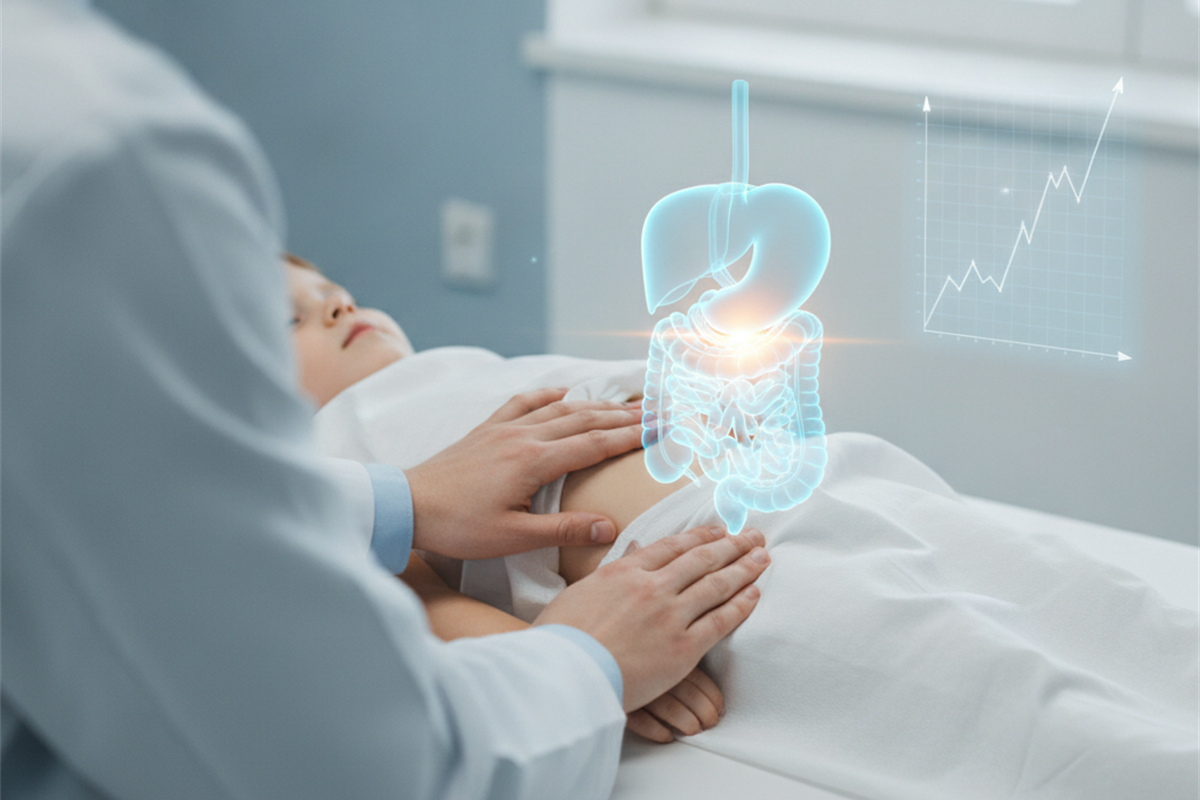

Years of abdominal pain, bloating, and an unpredictable digestive system. Test results that come back normal. And often, the conclusion that “there’s nothing wrong with you” or that “it’s all in your head.”
Irritable bowel syndrome (IBS) is real; it has defined diagnostic criteria and can be managed. Just because test results come back normal doesn’t mean it doesn’t exist—it means there is no structural damage, which is a different matter.
What Is the SII?
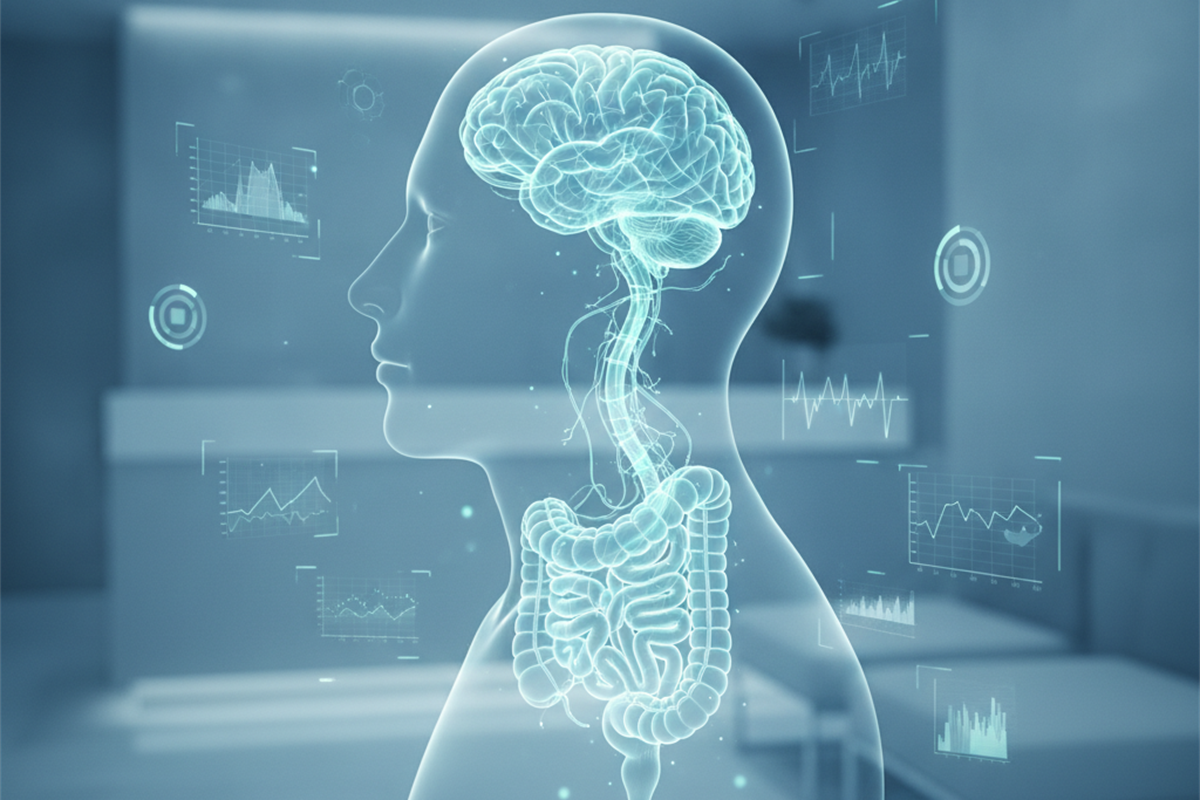
It is a functional disorder: the intestine is anatomically healthy, but it does not function properly. There is a lack of coordination between the nervous system and the digestive system, which results in two phenomena:
- Impaired motility. The intestines move faster or slower than they should.
- Visceral hypersensitivity. Normal stimuli, such as passing gas, are perceived as pain.
That’s why a person with IBS feels something intensely that someone else wouldn’t even notice. It’s not an exaggeration; it’s just a different threshold.
Characteristic symptoms
- Recurrent abdominal pain or discomfort
- Pain relief or a change in pain after a bowel movement—a fairly distinctive feature
- Changes in the Frequency of Bowel Movements
- Changes in Consistency
- Tightness and swelling, typically worse at the end of the day
- Gases
- Feeling of incomplete bowel movement
Subtypes
Handling varies considerably depending on the dominant pattern:
- SII with constipation
- SII with diarrhea
- Mixed SII, alternating between the two
- Unclassified SII
That’s why it’s helpful to keep a record for a few weeks before the appointment. A written record is more reliable than a summary from memory.
What the SII Is Not
It is important to clear up three common misunderstandings:
- It’s not colitis. In Panama, the term “colitis” is used for almost any intestinal discomfort, but colitis involves actual inflammation. IBS does not cause inflammation.
- It does not increase the risk of cancer or progress to more serious diseases.
- It’s not a psychological problem. Stress and anxiety clearly influence the symptoms, but the disorder stems from a communication problem between the gut and the nervous system—it’s not something you’re imagining.
Signs that rule out other possibilities
SII does not produce any of these symptoms. If they appear, other causes should be investigated:
- Blood in the stool
- Unexplained weight loss
- Anemia
- Fever
- Symptoms that wake you up at night
- Onset of symptoms after age 50
- Family history of colorectal cancer or inflammatory bowel disease
How It Is Diagnosed
The diagnosis is clinical: it is based on internationally defined criteria derived from the pattern of symptoms and their duration. There is no single test that can confirm it.
Tests are used to rule out other diseases when there are warning signs or concerns: blood tests, stool tests, screening for celiac disease, and, in select cases, a colonoscopy.
What Helps in Practice
- Identify your own triggers. Keeping a food and symptom diary for a few weeks often reveals patterns that would otherwise go unnoticed.
- Guided dietary adjustments. There are evidence-based strategies, such as the low-FODMAP diet, but it is restrictive and is not intended to be followed indefinitely or without supervision. It should be followed under the guidance of a nutrition professional.
- Consistency in meal times.
- Physical activity. Among the most consistent measures.
- Stress Management. It doesn’t cure the condition, but it reduces the frequency and intensity of the attacks.
- Adequate sleep.
And a word of caution: cutting out foods on your own for months often results in a very restricted diet, nutritional deficiencies, and no real improvement.
Driving at CEGAS
At CEGAS, we address SII through gastroenterological evaluation and support in nutrition and psychonutrition, which is where this disorder typically responds best.
If you’ve been dealing with this for years without a clear diagnosis, schedule an appointment.
Related Reading
- Chronic Constipation: When to Stop Treating It as Normal
- Psychonutrition: Why Your Emotions Affect Your Digestion
- A Digestive Health Guide for Panamanians
This content is for informational purposes only and is not a substitute for a medical consultation or treatment recommendations from a healthcare professional.