
Almost everyone has experienced heartburn after a heavy meal. That’s normal and doesn’t mean anything. The problem begins when the heartburn occurs several times a week for months on end and becomes part of your routine.
At that point, we’re no longer talking about occasional heartburn, but rather gastroesophageal reflux disease (GERD). And the difference matters, because persistent reflux damages the esophagus over time.
What Happens During Reflux
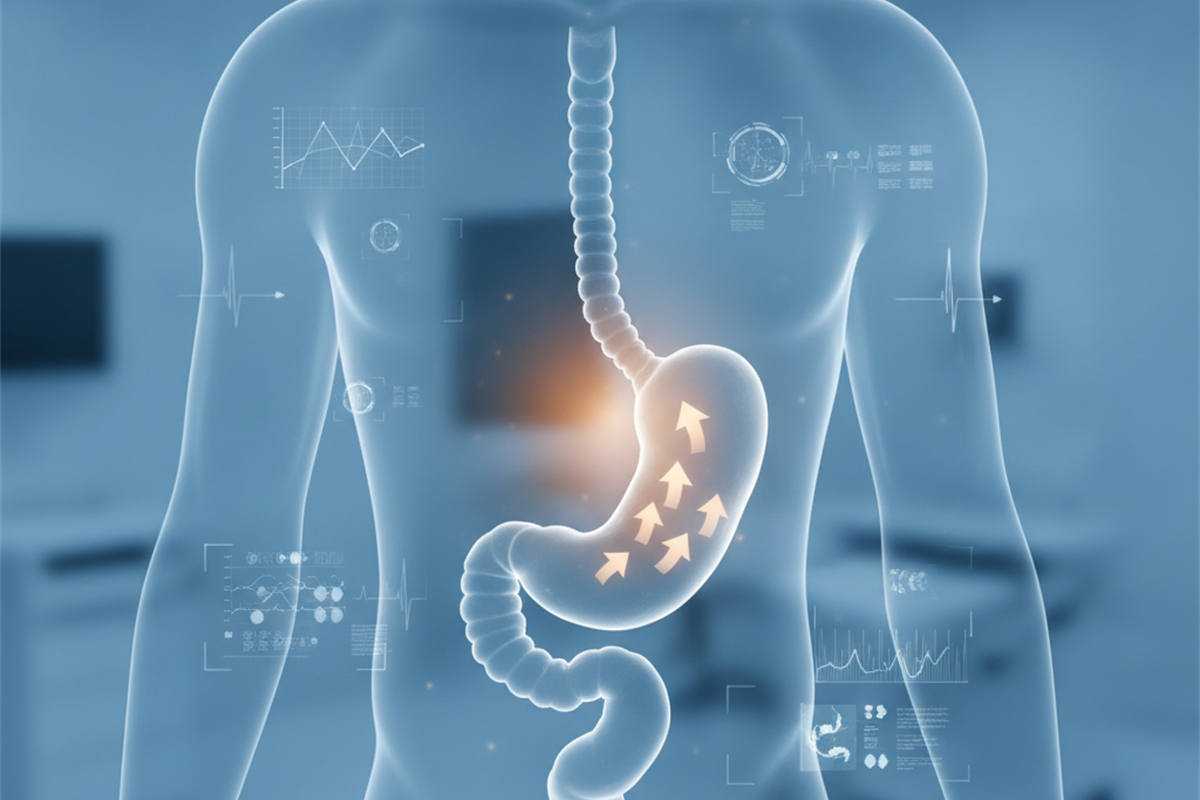
Between the esophagus and the stomach is a ring of muscle that acts as a valve: it opens to allow food to pass through and closes to prevent stomach contents from flowing back up.
When that valve loses its tone or relaxes when it shouldn’t, acid flows back up. The esophagus doesn’t have the same protection as the stomach, so repeated exposure causes inflammation.
When Heartburn Is No Longer Normal
As a practical guide, it is a good idea to check whether:
- Symptoms occur two or more times a week
- You’ve been like this for more than three months
- You need antacids on a regular basis to function
- It wakes you up at night
- You’ve already changed your diet, but there’s been no improvement
Typical Symptoms
- A burning sensation that rises from the stomach toward the chest or throat
- Regurgitation: a sour or bitter taste in the mouth
- A lump in the throat
- Discomfort that worsens when lying down or bending over
Atypical symptoms that almost no one associates with reflux
This is the part that often delays diagnosis. Reflux can also manifest as:
- Chronic cough without a clear respiratory cause
- Hoarseness, especially upon waking up
- Constant throat clearing
- Persistent sore throat
- Hard-to-control asthma
- Tooth Enamel Erosion
- Chest pain that mimics a heart problem
Regarding the last point: any chest pain should first be evaluated from a cardiological perspective. Only after ruling out a cardiac cause should the esophagus be considered.
Warning Signs
The following require immediate evaluation:
- Difficulty swallowing or a feeling that food is getting stuck
- Pain when swallowing
- Unexplained weight loss
- Vomiting blood or black stools
- Anemia
- Persistent vomiting
- New Symptoms After Age 50
Why You Shouldn’t Just Let It Go
Reflux that persists for years can lead to esophagitis, narrowing of the esophagus, and, in some patients, Barrett’s esophagus: a change in the esophageal lining that requires periodic monitoring due to its association with an increased long-term risk.
There’s no need to panic. It’s just a matter of not treating ten years of daily heartburn as normal.
How to Study
Depending on the case, the specialist may recommend:
- Upper gastrointestinal endoscopy. It allows doctors to check for inflammation, narrowing, or changes in the mucosa, and to take biopsies.
- Esophageal pH monitoring. This test measures over a 24-hour period how much acid actually refluxes and whether it correlates with symptoms. It is the gold standard test when an endoscopy is normal but symptoms persist, or before considering surgery.
Measures That Actually Work
- Eat dinner at least three hours before going to bed
- Raise the head of the bed—don’t just add pillows
- Losing weight if you are overweight is one of the most effective measures
- Eat smaller portions
- Identify your specific triggers instead of randomly eliminating foods
- Avoid Tobacco
Assessment at CEGAS
If you’ve been dealing with heartburn for months, schedule an appointment. At CEGAS, we offer upper gastrointestinal endoscopy and esophageal pH monitoring at Plaza Comercial San Fernando in Panama City.
Related Reading
- Esophageal pH monitoring: What it is and what it’s used for
- Gastritis: Types, Causes, and Symptoms
- Where can I get an endoscopy in Panama?
This content is for informational purposes only and is not a substitute for a medical consultation or treatment recommendations from a healthcare professional.