
Seeing blood on toilet paper or in the toilet can be alarming. And although in most cases the cause is benign, gastrointestinal bleeding should never be considered normal or automatically attributed to hemorrhoids without confirmation from a specialist.
This guide explains what the color of blood means, what the most common causes are, and in what situations you should seek immediate medical attention.
The color tells you where it comes from
This is the first clue the gastroenterologist uses:
- Bright red blood. This suggests a low origin close to the anal opening: the rectum or distal colon. It is the typical pattern seen in hemorrhoids and anal fissures.
- Dark blood mixed with stool. It suggests a higher origin in the colon.
- Black, sticky, and very foul-smelling stools (melena). These indicate bleeding in the stomach or duodenum, where the blood was digested along the way. Seek medical attention immediately.
- No visible blood. It can be detected only through laboratory tests or present as anemia with no apparent cause.
Practical note: Some foods and supplements can darken the stool even when there is no bleeding. Iron, bismuth, and beets are the usual suspects.
Common and Benign Causes
- Hemorrhoids. The most common cause of bright red blood. These symptoms are often accompanied by itching or discomfort during a bowel movement.
- Anal fissure. A small tear that causes sharp pain during a bowel movement, often associated with constipation.
- Diverticula. Pockets on the wall of the colon that may bleed, sometimes profusely but without pain.
- Gastritis or peptic ulcer. A common cause of melena, often associated with nonsteroidal anti-inflammatory drugs (NSAIDs) or Helicobacter pylori infection.
Causes That Must Be Ruled Out
Here’s why no episode of bleeding should go uninvestigated:
- Polyps. They may bleed intermittently without any other symptoms.
- Colorectal cancer. Bleeding is usually light, intermittent, and easily mistaken for hemorrhoids. It is precisely this confusion that delays many diagnoses.
- Inflammatory bowel disease. Ulcerative colitis or Crohn’s disease, usually accompanied by diarrhea, mucus, and abdominal pain.
The real clinical problem isn’t that hemorrhoids bleed. It’s that having hemorrhoids doesn’t rule out the possibility of also having a polyp. One doesn’t rule out the other.
When to Seek Urgent Care
Go to the emergency room immediately if the bleeding is accompanied by:
- Black, tarry stools
- Vomiting blood or vomit that looks like coffee grounds
- Heavy or continuous bleeding
- Dizziness, severe weakness, paleness, or fainting
- Severe abdominal pain
- Associated fever
When to Schedule an Appointment
Request an evaluation with a gastroenterologist if:
- The bleeding recurs, even if it’s only a little
- You’re over 45 and have never had a colonoscopy
- There is a family history of colon cancer or polyps
- It is accompanied by changes in bowel habits, weight loss, or fatigue
- They told you they were hemorrhoids, but the bleeding didn’t stop
How to Study
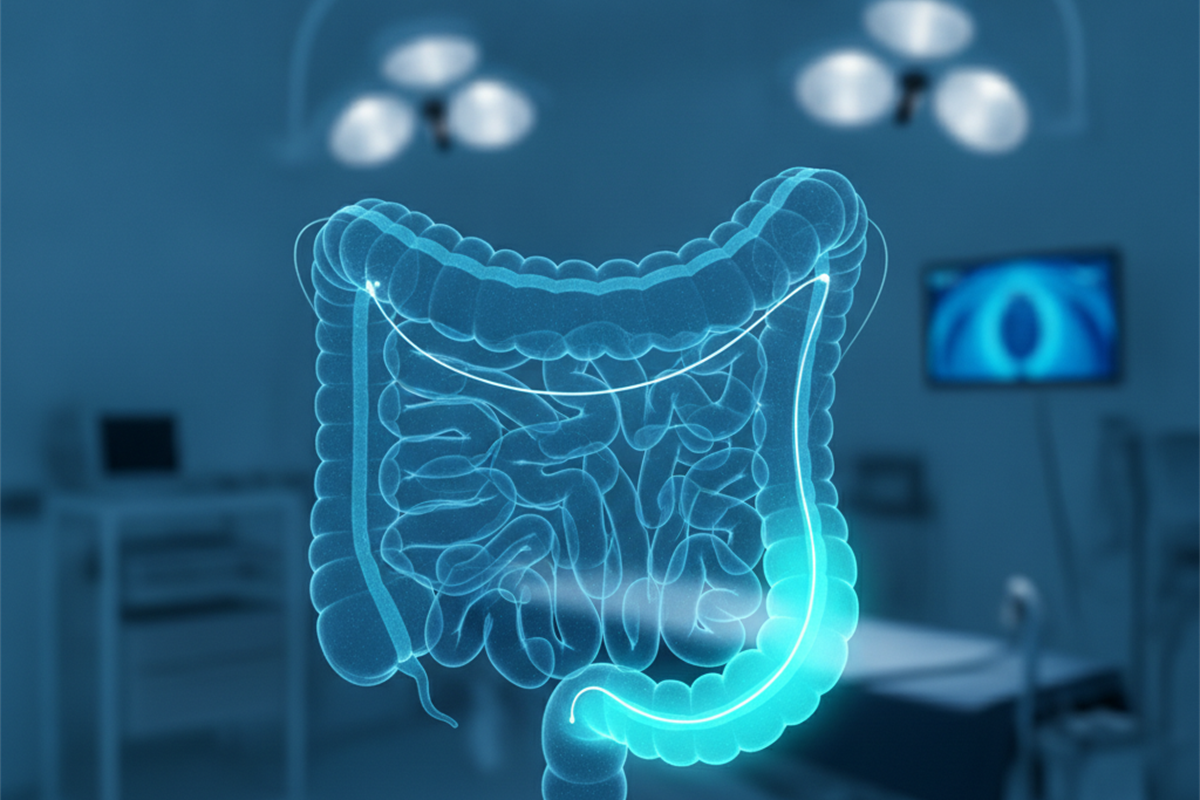
Depending on the nature of the bleeding and your age, the specialist may order a colonoscopy, an upper endoscopy if a gastric cause is suspected, or a rectosigmoidoscopy when the symptoms clearly point to the lower part of the intestine.
At CEGAS, we perform these exams under sedation using high-definition equipment at Plaza Comercial San Fernando. Schedule your evaluation and let’s put your mind at ease.
Related Reading
- Colon Cancer: At What Age Should You Have Your First Colonoscopy?
- Colon Polyps: Why They Are Removed
- Gastritis: Types, Causes, and Symptoms
This content is for informational purposes only and is not a substitute for medical advice. If you experience gastrointestinal bleeding, always consult a healthcare professional.