Endoscopy vs. Colonoscopy: What's the Difference?
It is common for terms to be confused when discussing digestive studies. Although both procedures use similar instruments (a thin tube with a camera), their purpose and the area they analyze are entirely different.
At CEGAS, we believe that an informed patient is a calmer patient. For this reason, we simply explain the key differences between these two fundamental studies.
1. The Area of Exploration
The main difference lies in which part of the body each examination reviews:
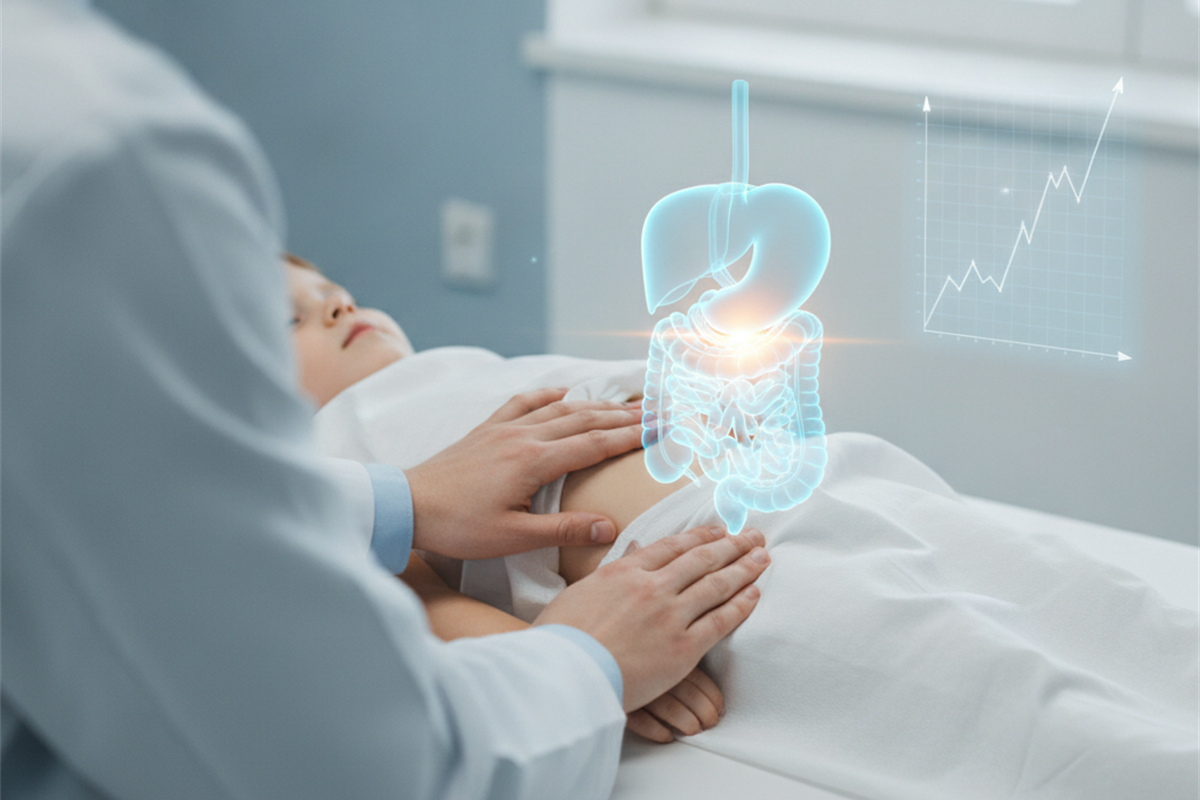
Endoscopy (or Upper Endoscopy): It is inserted through the mouth to observe the upper part of the digestive system, which includes the esophagus, stomach, and duodenum (the beginning of the small intestine).
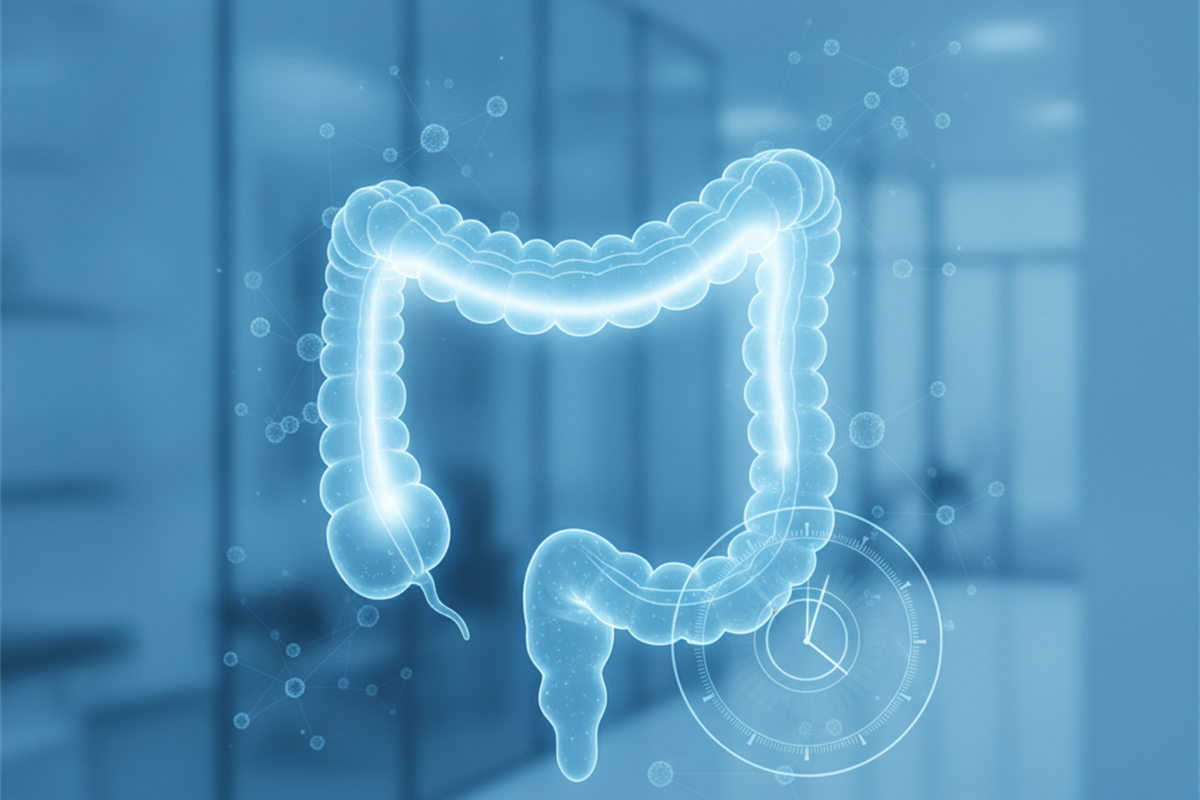
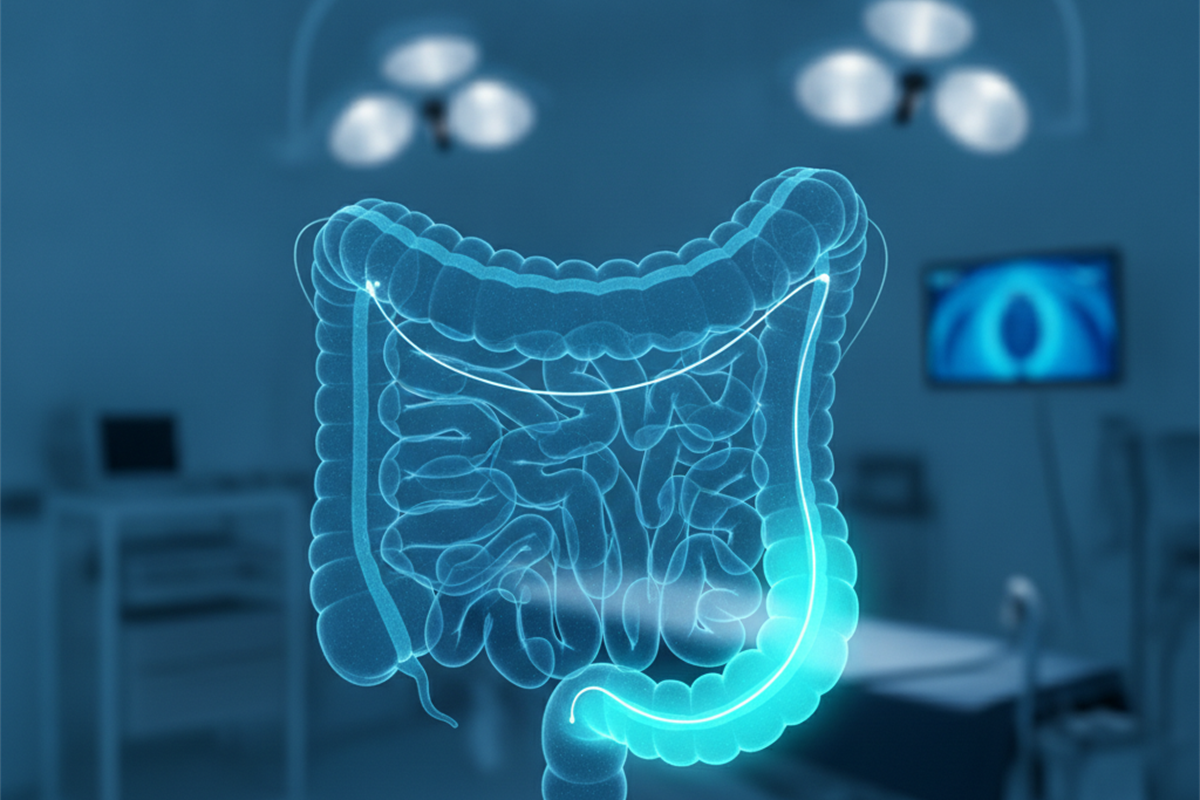
Colonoscopy: It is inserted through the rectum to examine the large intestine (colon) and the end of the small intestine.
2. What Are They Used For?
Each study seeks answers to different symptoms:
Endoscopy is generally requested for symptoms such as constant heartburn, stomach pain, difficulty swallowing, frequent nausea, or suspected gastritis and ulcers.
Colonoscopy is used to investigate changes in bowel habits, rectal bleeding, lower abdominal pain, or as a preventive method to detect polyps that could develop into colon cancer over the years.
3. Patient Preparation
This is where the patient notices the biggest practical difference:
For Endoscopy: Preparation is simple, generally only requiring an 8-hour fast from solids and liquids.
For Colonoscopy: It requires more detailed preparation that begins days before with a special diet and the use of laxatives the day before to ensure the colon is completely clean.
4. What Do They Have in Common?
Despite their differences, both studies share safety standards at our clinic in Plaza San Fernando:
Sedation: Both are performed under assisted sedation. The patient is asleep and feels no pain or discomfort during the procedure.
Duration: These are quick procedures, usually taking between 20 and 45 minutes.
Recovery: As they are outpatient procedures, the patient rests for a few minutes in our recovery area and can go home the same day (always accompanied).
Which one do I need?
The answer depends entirely on your symptoms and your doctor’s recommendation. Sometimes, to get a complete picture of digestive health, the specialist may recommend performing both studies in the same session under the same sedation.
If you are experiencing discomfort and don’t know where to start, an evaluation consultation is ideal to determine the most effective path for your diagnosis.
Do you need to schedule your study or have additional questions? At CEGAS, we are ready to assist you. You can contact us directly to check appointment availability or receive more information about our services.